
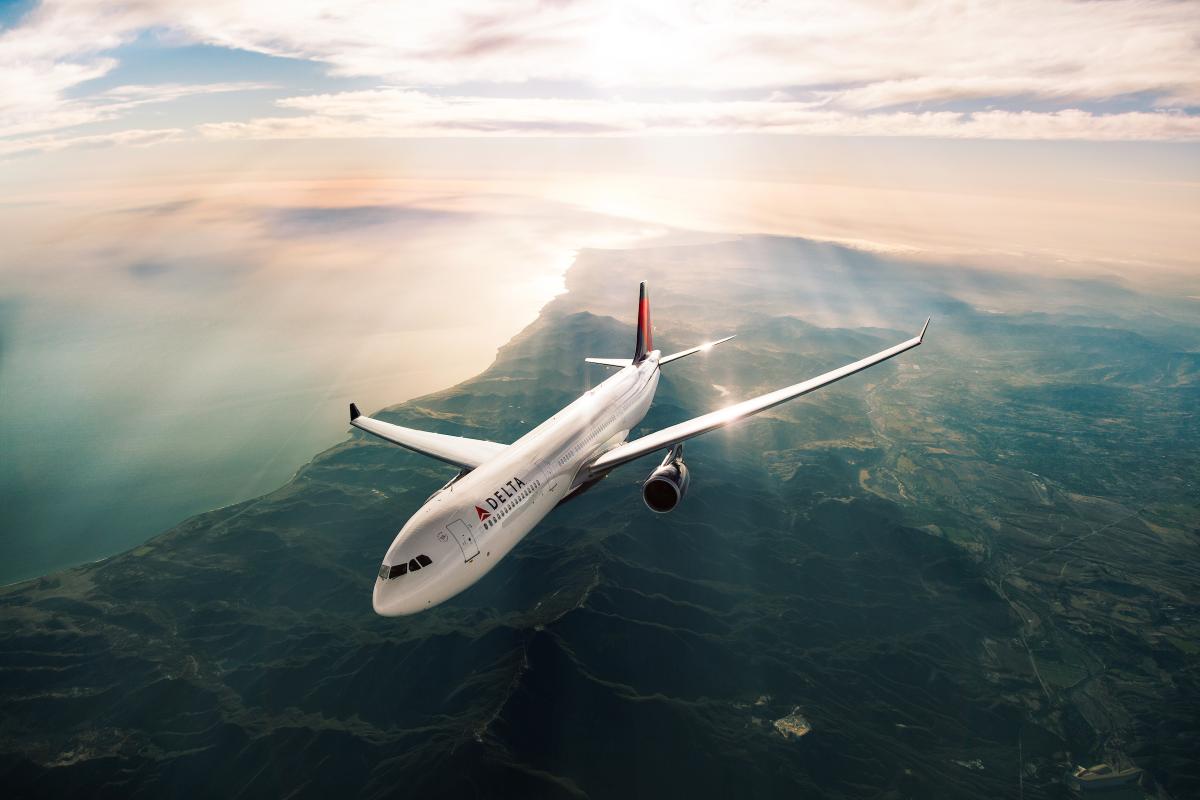
Delta Tests Electric Air Taxis in NYC
Delta is testing electric air taxis in NYC and using new tech to improve flight reliability. See how these innovations could change your future travel.
Delta Tests Electric Air Taxis in NYC
Delta is testing a Delta electric air taxi NYC route between Manhattan and John F. Kennedy International Airport (JFK) as part of a broader push to integrate new technology into its daily operations.
New Efficiency Tech for the Boeing 737 Fleet
Delta is implementing several mechanical and digital changes to reduce fuel consumption and improve the reliability of its flights. The airline recently completed a fleetwide order for Vortex Control Technologies (VCT) finlets for 240 of its Boeing 737-800 and 737-900ER aircraft. These small additions to the tail help reduce fuel burn and carbon emissions by improving how air flows around the plane. This is a practical move to manage rising fuel costs, which directly impact airline profitability and ticket pricing.
Beyond hardware, Delta is using software to manage its Hartsfield-Jackson Atlanta International Airport (ATL) hub. Through a partnership with the Georgia Institute of Technology, the airline launched a “digital twin” of the Atlanta airport. This is a virtual model that simulates a full day of operations. It allows Delta to test how different weather patterns or gate changes affect fuel use and passenger connections before any planes actually move.
This digital modeling is particularly useful during irregular operations (IROPs), such as heavy thunderstorms or snowstorms. Instead of guessing how to reroute planes, teams can use the model to find the most efficient way to get passengers to their destinations. For a traveler, this means a higher chance of making a connection when things go wrong. This focus on operational reliability is a primary reason many travelers choose Delta over competitors like United Airlines or American Airlines, both of which have faced criticism over connection reliability during major weather events.
The Delta Electric Air Taxi NYC Project
One of the most visible parts of Delta’s technology test is its partnership with Joby Aviation. The airline has completed a week of demonstration flights using all-electric air taxis in New York City. These flights moved between Manhattan heliports and JFK, testing the feasibility of a quiet, zero-emission shuttle service.
“New York has always been a city that defines the future by demanding better,” said JoeBen Bevirt, founder and CEO of Joby. He explained that the goal is to create a quiet service that can replace traditional helicopters, which are often too loud for urban environments.
If this technology moves from testing to full commercial service, it could change how you approach a trip to New York. Instead of sitting in traffic on the Van Wyck Expressway or taking the AirTrain, you could fly directly from a Manhattan landing pad to the airport in minutes. However, this is not an immediate option. Joby is still working toward FAA certification, and the service will likely carry a premium price tag compared to standard ground transport.
Testing Biomimicry on a Retired 747
Delta is also looking at biological solutions to improve aerodynamics. In partnership with MAKO, the airline is testing a surface coating inspired by shark skin on a retired Boeing 747 at the Delta Flight Museum in Atlanta. This coating, called FlightFilm, uses microscopic patterns to smooth airflow and reduce drag.
If the testing is successful, this technology could improve fuel efficiency by up to four percent. While four percent sounds small, across a massive global fleet, it represents a significant reduction in both costs and emissions. This is part of the airline’s larger goal to reach net-zero emissions by 2050.
What This Means for SkyMiles Members
While these technological updates focus on sustainability, they have a direct relationship with the Delta SkyMiles ecosystem. For frequent flyers, the most important outcome of these innovations is reliability.
SkyMiles members, particularly those with Medallion status (Silver, Gold, Platinum, and Diamond), rely on the airline’s ability to maintain schedules. When Delta uses tools like the ATL digital twin to prevent delays, it protects the value of your time and your status. For example, a Diamond Medallion member traveling on an international connection benefits more from an airline that can quickly recover from a weather delay in Atlanta than one that struggles with manual rerouting.
Additionally, as Delta invests in more efficient aircraft and new modes of transport like air taxis, the way you earn and redeem miles may evolve. Currently, SkyMiles uses dynamic pricing, meaning the number of miles required for a flight changes based on demand. Unlike some competitors that use fixed award charts, Delta’s model is more sensitive to real-time market conditions. If air taxis become a standard part of the Delta network, we may eventually see them integrated into the SkyMiles redemption menu, though that remains to be seen.
The Bottom Line
Delta’s recent moves are more about operational efficiency and reliability than just “being green.” The air taxi tests in New York are a glimpse into a high-speed future, but they won’t change your commute today. For most travelers, the real benefit lies in the digital modeling and fleet upgrades that aim to keep planes in the air and on schedule, even when the weather turns bad.
Learn more in our Guide to Delta SkyMiles.