
New American Airlines Premium Cabin Wines Arrive This May
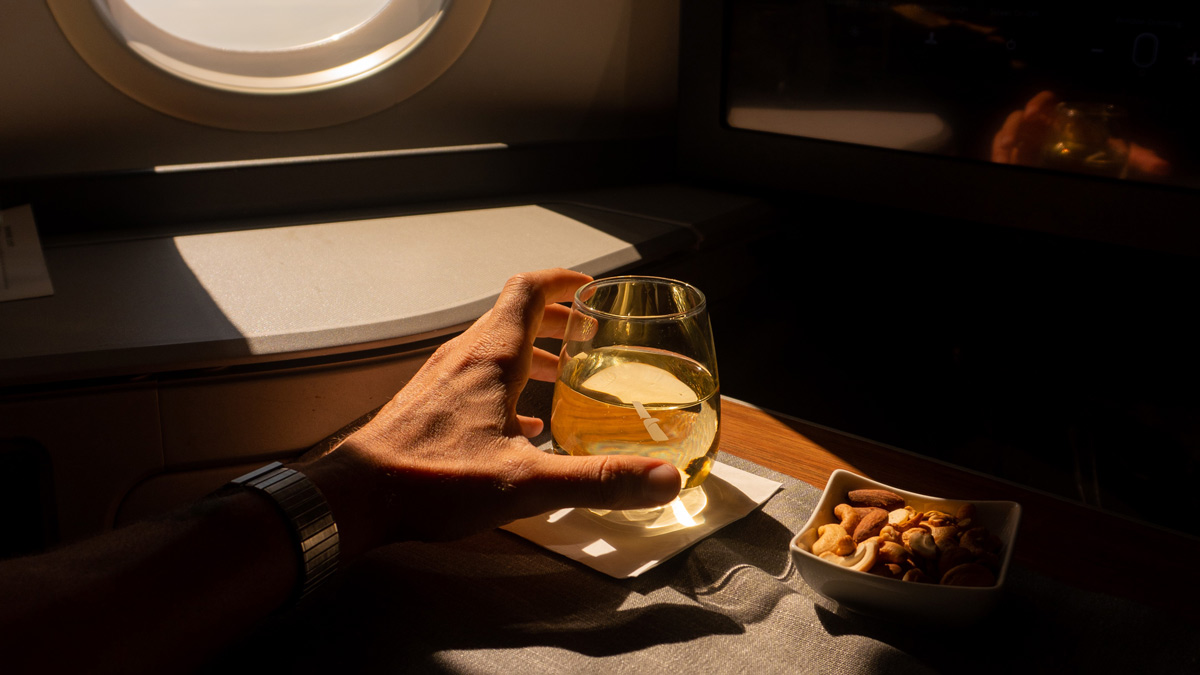
American Airlines is refreshing its premium cabin beverage program with new California wines in Flagship First and Business cabins starting May 13.
American Airlines is introducing a new selection of California wines in its premium cabins starting May 13. This change is the first phase of a larger refresh to the airline’s beverage program. The new labels aim to better complement the chef-curated menus served in Flagship First and Flagship Business cabins.
Flagship Service and New Wine Selections
Passengers will see these changes on specific premium routes. Flagship service typically applies to long-haul international flights and high-demand transcontinental routes, such as those connecting New York (JFK) to Los Angeles (LAX) or San Francisco (SFO).
For those traveling in International Flagship First and Flagship Business, the airline is introducing two specific labels:
- Truchard Vineyards Chardonnay: This wine comes from the Carneros region of Napa Valley. It has a 93-point score from Wine Enthusiast and a 92-point score from James Suckling.
- Decoy Cabernet Sauvignon: This selection from Alexander Valley holds a 94-point Wine Enthusiast score. The label is also a partner for the Emmy Awards.
Transcontinental Flagship First and Flagship Business passengers will receive a different pairing:
- Migration Chardonnay: This Sonoma Coast wine has a 93-point rating from James Suckling.
- Justin Cabernet Sauvignon: This wine from Paso Robles was the 2015 Wine Enthusiast American Winery of the Year and won gold at the 2024 London International Wine Competition.
Tasting Notes and Food Pairings
The selection of these specific wines suggests a focus on structural balance with American’s inflight menus. The Truchard Chardonnay, with its Napa roots, typically offers a creamy texture that pairs well with the poultry or cream-based pasta dishes often found in Flagship First dining.
For heavier courses, the Decoy Cabernet provides the necessary tannins to balance rich proteins like beef or lamb. On transcontinental routes, the Migration Chardonnay offers a brighter acidity. This acidity helps cut through the richness of brunch or lunch items. The Justin Cabernet from Paso Robles is a more fruit-forward option, which works well with a variety of savory, spiced, or roasted meat dishes.
The California Wine Trend in Premium Aviation
American’s decision to double down on California regions reflects a broader trend in premium aviation. Rather than offering a generic global wine list, airlines are increasingly focusing on specific American terroirs. This shift highlights regional expertise and offers a sense of familiarity to domestic travelers. By selecting highly rated labels from Napa, Sonoma, and Paso Robles, the airline uses wine to signal a high-end, curated experience. This move aligns the onboard service with the growing prestige of West Coast viticulture.
How American Compares to Delta and United
This update places American in direct competition with the premium offerings of Delta Air Lines and United Airlines. Delta One often focuses on global, curated pairings that emphasize international flair. United Airlines uses its Polaris business class to offer a similar high-end experience with a mix of classic labels.
American is carving out a niche by emphasizing specific, highly-rated U.S. regions. This strategy appeals to travelers who recognize the prestige of Napa or Sonoma. While Delta and United have strong global programs, American’s focus on these specific domestic labels provides a distinct identity for its premium cabins.
Maximizing AAdvantage Value for Premium Travel
Many travelers access these upgraded amenities by redeeming AAdvantage miles. A premium redemption covers the seat, access to Admirals Club lounges, and the upgraded dining program.
To get the most value, you should understand the math behind your miles. AAdvantage miles are typically valued between 1.3 and 1.7 cents per mile. Consider a transcontinental flight where an economy seat costs 15,000 miles, but a Flagship Business seat costs 60,000 miles. If the cash price for Business is $2,500 and Economy is $400, the $2,100 difference is worth approximately 140,000 miles at a 1.5-cent valuation. In this case, the upgrade is not a good use of miles. However, if you find a “Web Special” award with lower mileage requirements, the value increases significantly.
You can also increase your mileage balance by using transfer partners. You can move points from Citi ThankYou Rewards or Bilt Rewards to AAdvantage at a 1:1 ratio. Marriott Bonvoy points transfer at a 3:1 ratio. Using these partners can help you reach the mileage thresholds needed for Flagship cabins more quickly.
What This Means for Premium Travelers
If you have an upcoming trip in a premium cabin, you can check your flight details to see if these new wines are available. The rollout begins on May 13. If you are currently booked in the Main Cabin, these specific wine upgrades do not apply to your seat. You can use AAdvantage miles or cash to upgrade your status to Flagship Business or First to access the new menu. Check your flight itinerary in the American Airlines app to view current meal and beverage options for your specific route.
Learn more in our Guide to American AAdvantage.